How Much Coconut Does a Restaurant Kitchen Use Per Month?
Order too few coconuts and prep stalls mid-service; order too many and whole nuts sit around losing water and inviting mould. The right monthly number isn't a mystery — it falls out of three figures you already know: how many plates you serve, which of them carry coconut, and how much goes on each. Here's the estimation method, realistic benchmarks, and worked examples for a tiffin centre, a restaurant, and a caterer.
Start with meat, not nuts
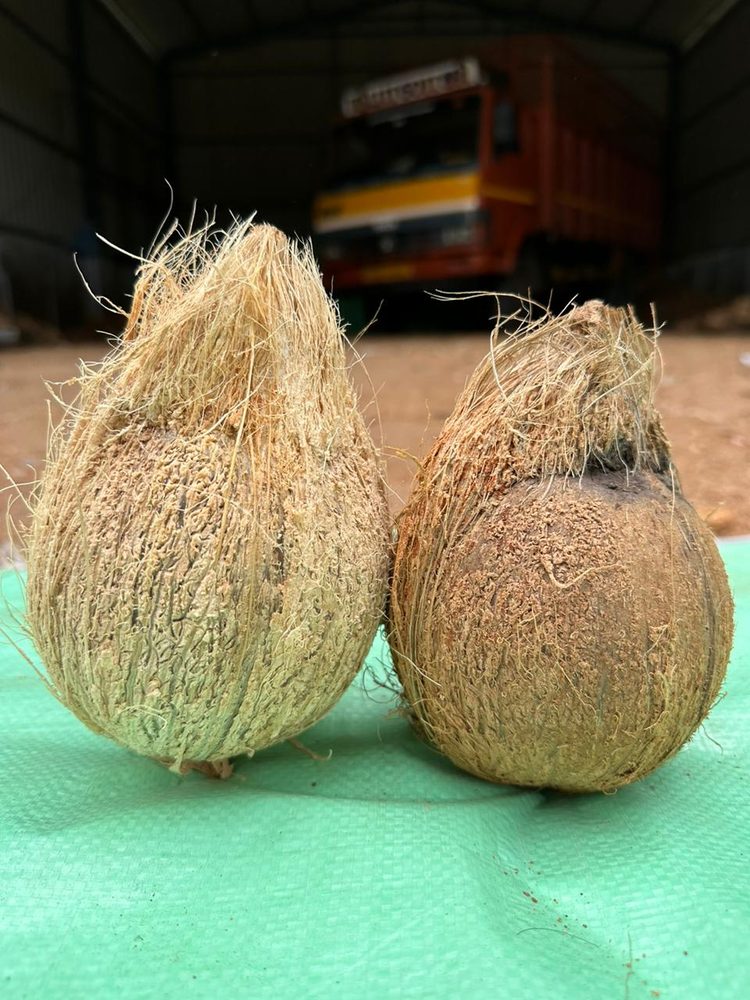
Recipes consume grated coconut meat, not whole coconuts — so estimate in grams of meat first, then convert to nuts. A medium matured coconut (350–400g) yields roughly 150–180g of usable white meat as a working figure; small nuts proportionally less, large nuts more. That conversion is the bridge between your menu and your order sheet.
Per-dish benchmarks
These are working figures from typical South Indian commercial kitchens — your ladle sizes will differ. The method matters more than the exact grams: measure your own chutney batch once (coconuts in, servings out) and replace our numbers with yours.
The monthly formula
Daily meat usage = servings per day × grams of coconut per serving, summed across your coconut dishes. Divide by meat-per-nut (~160g for a medium coconut) to get nuts per day, then multiply by your operating days for the month.
Three worked examples
Notice the caterer's row: event kitchens should order per event with a buffer, not on a monthly rhythm. Large-grade nuts (400g+) make sense there — more meat per nut means fewer nuts to break and grate when labour is the bottleneck.
Turning the number into an order cycle
- Order weekly, not monthly. Whole coconuts keep comfortably for a week or two in a ventilated, cool spot — a month's mountain in one delivery invites spoilage at the bottom of the pile.
- Add a 10–15% buffer over your calculated need for busy days and the odd bad nut.
- Match grade to workload: medium (350–400g) for daily cooking, large (400g+) when volume spikes or labour is tight.
- Recount quarterly. Menus drift; re-run the formula when you add or drop coconut-heavy dishes.
Track one ordinary week — coconuts opened per day, straight from the prep counter tally. Multiply by 4.3 and you have a monthly figure more accurate than any benchmark. We run weekly delivery cycles from our Hyderabad stock, so your order can match that number exactly.
Where desiccated powder shifts the math
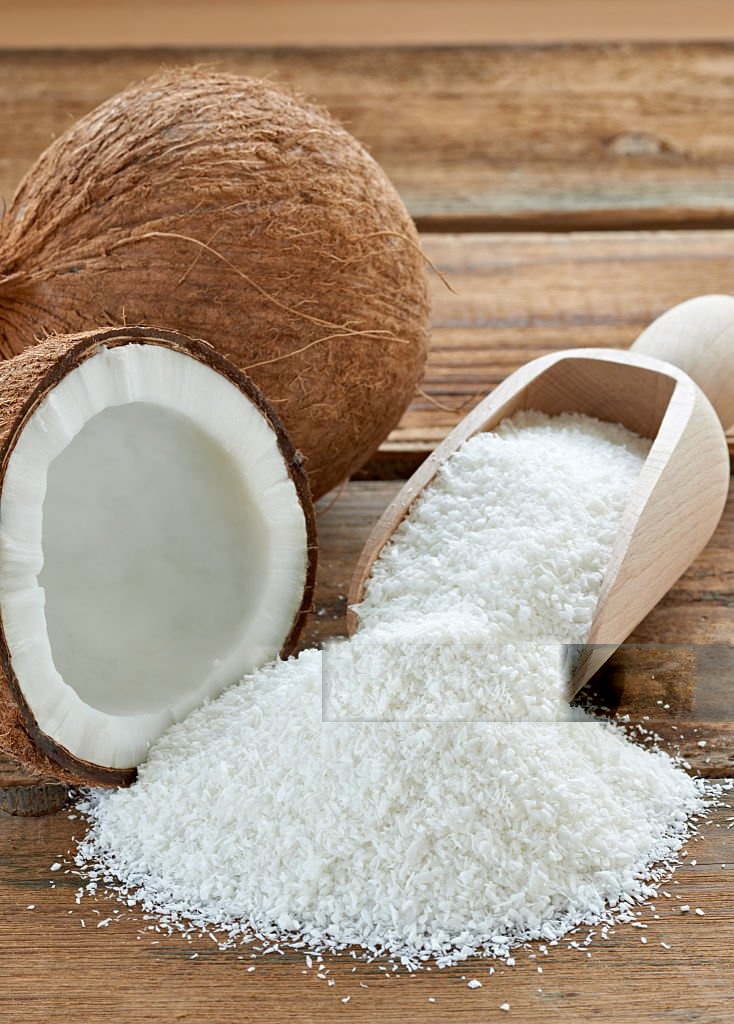
For sweets, bakery items, dry masalas, and coatings, desiccated coconut powder replaces fresh meat gram-for-gram-ish with zero breaking and grating labour and months of shelf life. Many kitchens move their non-chutney coconut load to powder and cut their whole-nut order by a third — keeping fresh nuts only where fresh-ground flavour is the point.
Frequently Asked Questions
A medium coconut yields roughly 150–180g of meat, and chutney uses about 15–20g per serving — so expect around 8–10 servings per nut, depending on your recipe and portion size.
In a ventilated, cool spot off the floor, whole matured coconuts hold comfortably for one to two weeks. That's why a weekly order cycle beats a single monthly delivery — the stock is always fresh and nothing sits at the bottom of a pile going mouldy.
Medium (350–400g) is the everyday restaurant grade — a good balance of meat yield and cost. Caterers and high-volume kitchens usually prefer large (400g+): more meat per nut means fewer nuts to break, clean, and grate.
For sweets, bakery, dry masalas, and coatings it usually works out cheaper once you count grating labour and spoilage, and it keeps for months. For fresh chutneys and fresh-milk dishes, most kitchens stay with whole nuts. Running both is the standard setup.
Ready to order, or still deciding?
Tell us what you're making and we'll recommend the right grade — with current bulk pricing and samples for verified businesses. MOQ starts at just 10kg.