Buying Coconuts in Bulk: A Guide for Restaurants & Caterers
Coconut runs through everything in a South Indian kitchen — chutneys at breakfast, gravies at lunch, payasam at night. Buying it well is mostly about two decisions: which size grade matches how you use it, and when to switch from whole nuts to desiccated powder. Here's how commercial kitchens should think about both.
Size grades and what they mean for yield
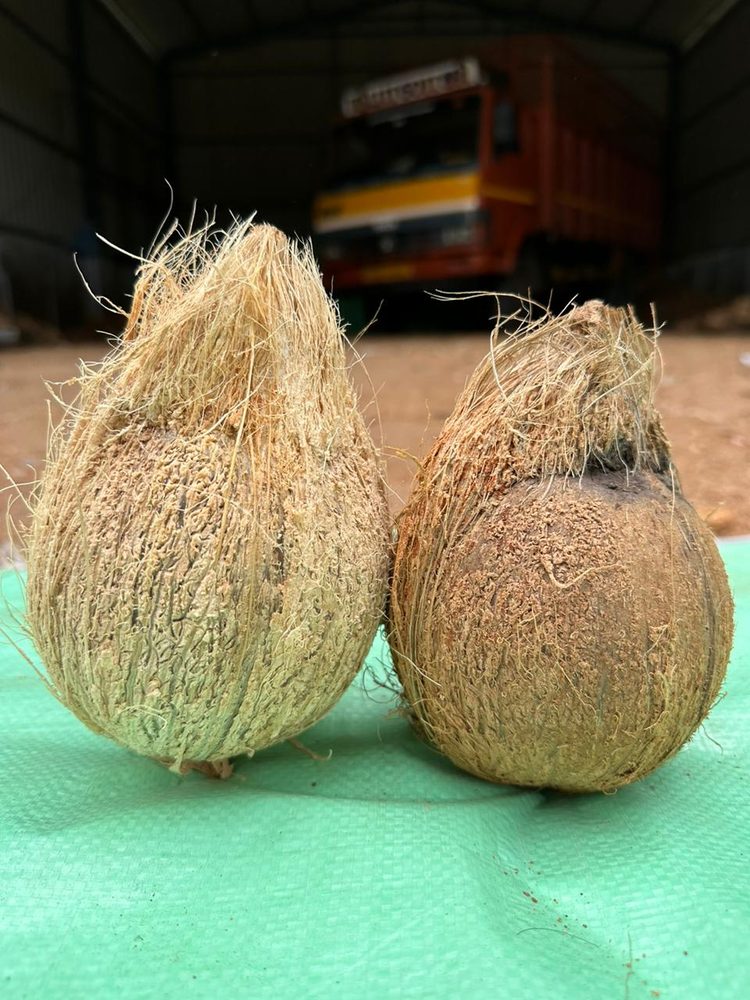
Bulk coconuts are graded by weight, and weight tracks meat yield — the white kernel you actually grind. Bigger nuts give more meat per coconut and fewer nuts to break, clean, and grate per service.
The pattern most kitchens land on: medium for daily cooking, large when volume spikes. Caterers doing wedding-scale coconut milk almost always prefer large — every extra gram of meat per nut is one less nut to crack.
How many coconuts does a recipe really need?
As a rough working figure, a medium (350–400g) matured coconut yields enough grated meat for roughly 300–400ml of thick first-press coconut milk, with a weaker second press on top. A small nut yields proportionally less. Track your own extraction for a week — per-dish coconut cost is one of the easiest food costs to pin down, and it makes size-grade decisions obvious.
Whole coconuts vs desiccated coconut powder
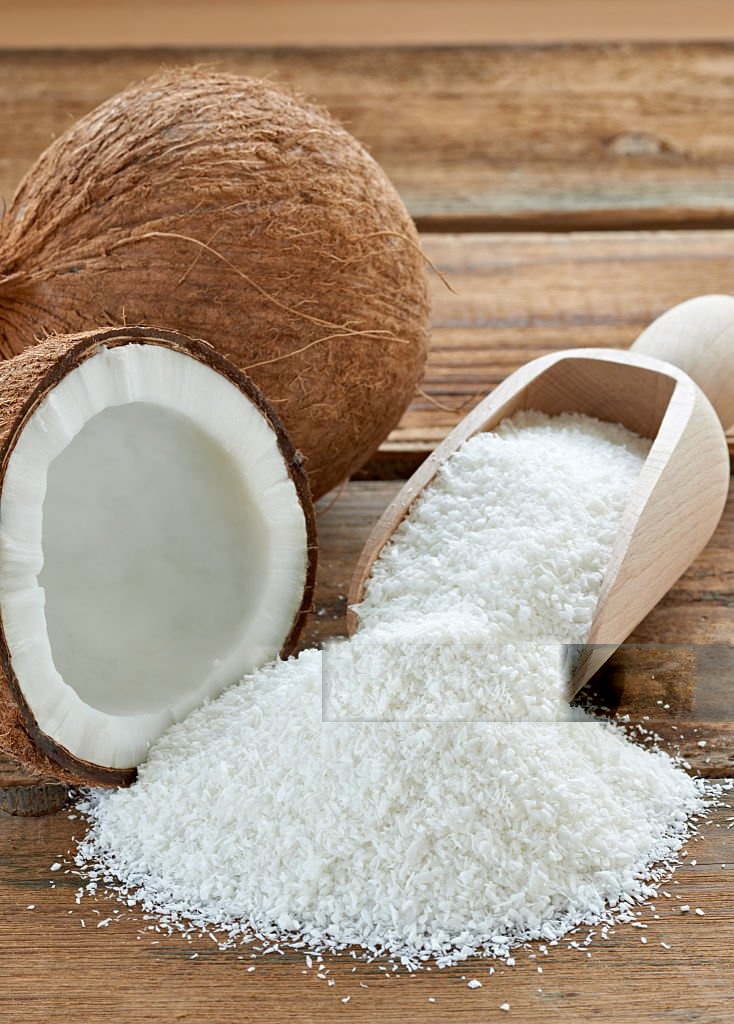
Desiccated coconut powder is grated coconut that's been hygienically dried and moisture-controlled. It's not a replacement for fresh in every dish — but for a busy kitchen it removes breaking, grating, and spoilage from the equation entirely.
Most of our restaurant clients run both: whole coconuts for chutneys and fresh-milk dishes where the fresh taste is the point, and desiccated powder for sweets, coatings, and anything made at scale. We supply fine, medium, and coarse cuts of powder alongside graded whole nuts.
Quality checks when a bulk lot arrives
- Weight in hand: a good matured coconut feels heavy for its size. Light nuts mean thin or dried-out meat.
- Shake it: you should hear water sloshing. A silent nut is often old or cracked.
- Inspect the eyes and shell: the three eyes should be dry and firm with no mould, softness, or seepage; the shell free of cracks.
- Spot-check a few: break one or two nuts per lot — meat should be white, thick, and firm, never yellowed or slimy.
Storage between deliveries
Whole matured coconuts want the same conditions as most dry stock: ventilated, cool, and off the floor. Stacked airtight in a humid corner, they mould; spread in an airy crate, they hold comfortably between weekly deliveries. Desiccated powder just needs its bag resealed tightly and kept dry.
Frequently Asked Questions
Medium (350–400g) is the workhorse — good meat yield for coconut milk, gravies, and daily grinding at a balanced price. Caterers and food units doing high volumes usually step up to large (400g+) because more meat per nut means less breaking and grating labour.
A medium matured coconut typically yields roughly 300–400ml of thick first-press milk, plus a lighter second extraction. Yield varies with the nut and your extraction method, so it's worth measuring your own kitchen's numbers for costing.
For sweets, bakery, dry masalas, coatings, and high-volume prep — yes, and it saves significant labour and spoilage. For fresh chutneys and dishes built on fresh-ground flavour, most kitchens stay with whole coconuts. Running both is the common setup.
Ready to order, or still deciding?
Tell us what you're making and we'll recommend the right grade — with current bulk pricing and samples for verified businesses. MOQ starts at just 10kg.